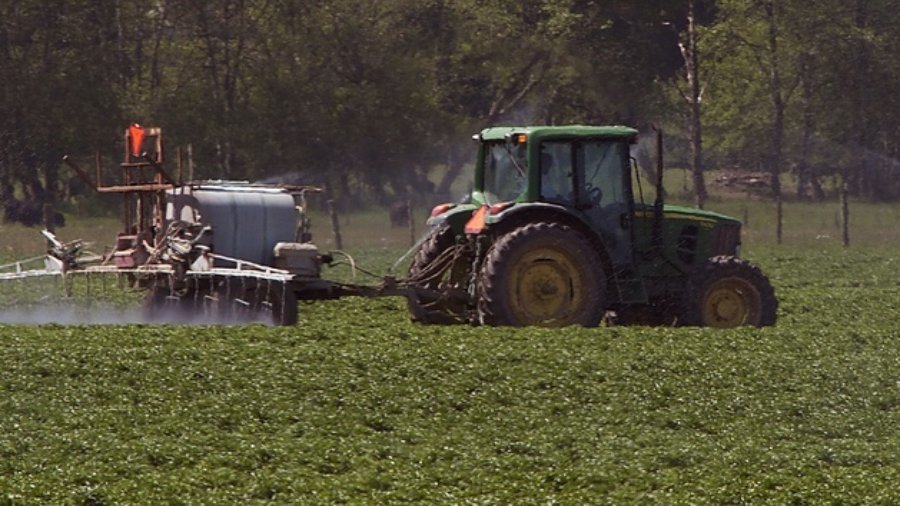
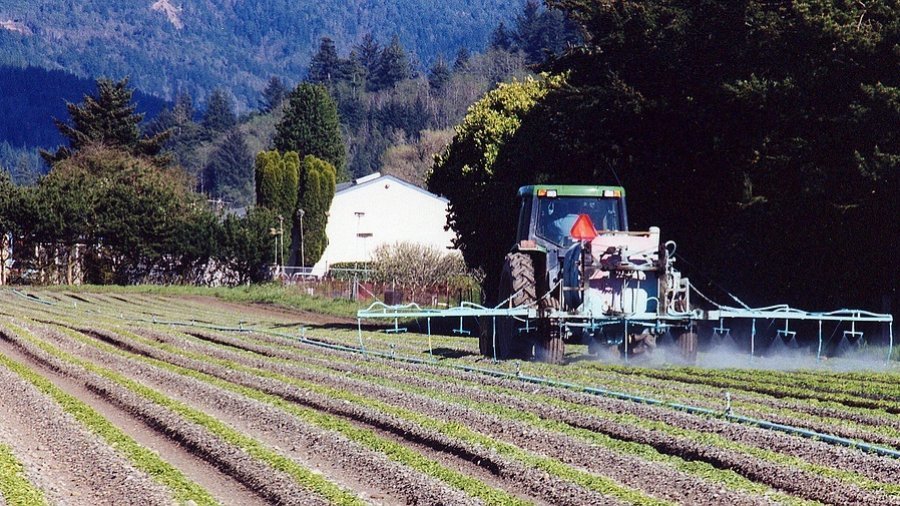
Just before Easter, the national on-line news magazine TakePart has run a major story about pesticides used on the Smith River Plain to grow Easter lilies. TakePart describes itself as “the digital division of Participant Media,” the company that brought us such films as Academy Award winning Spotlight, as well as An Inconvenient Truth and CITIZENFOUR.
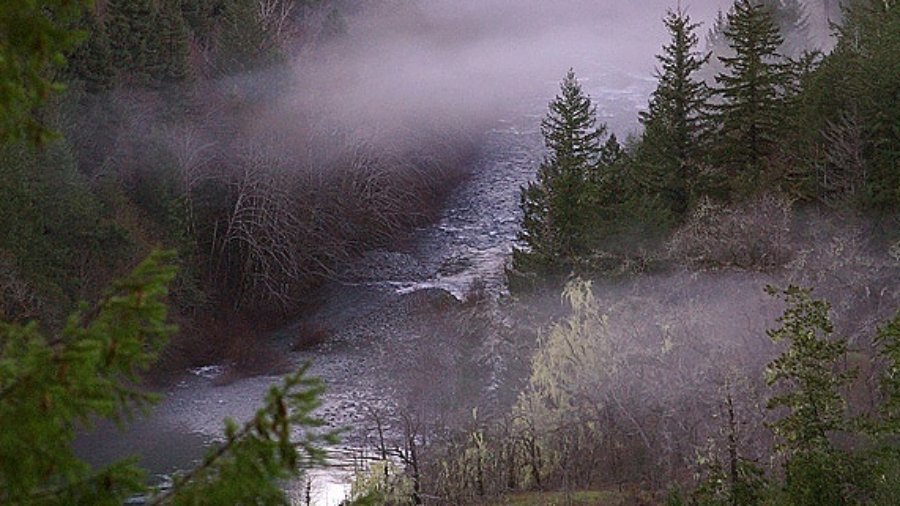
Currently, thirty-two species of fish are known to inhabit the Smith River. Of these, thirteen are anadromous (fish that are spawn in fresh water, are reared in the ocean, and return to fresh water). A functional overview of anadromous fish in the Smith River can be found in the 2002 Smith River Anadromous Fish Action
Read more
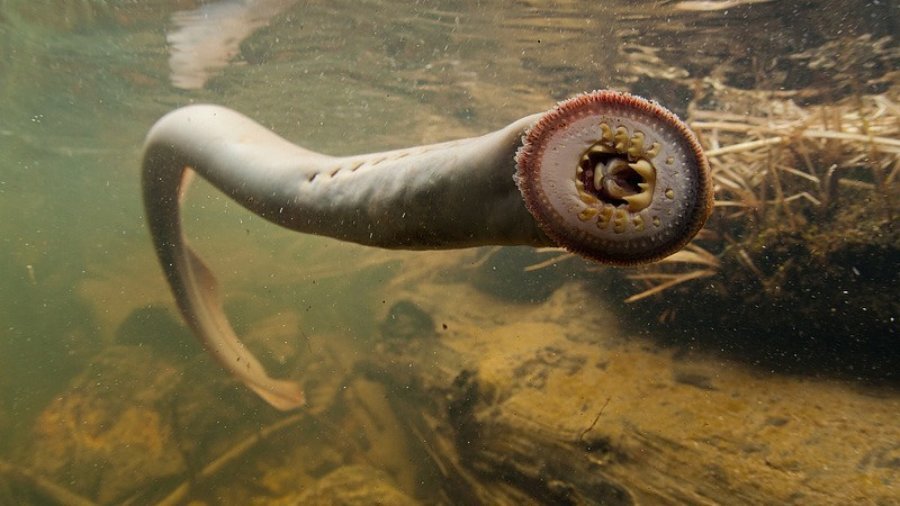
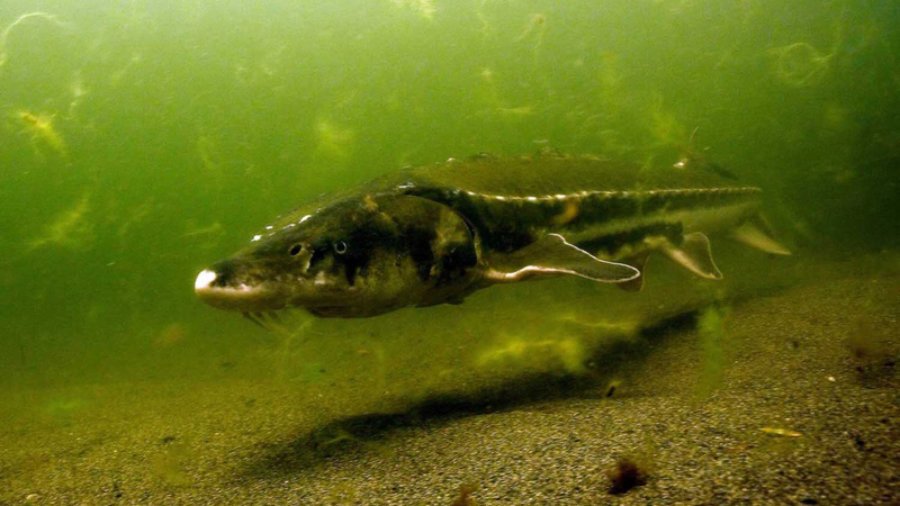
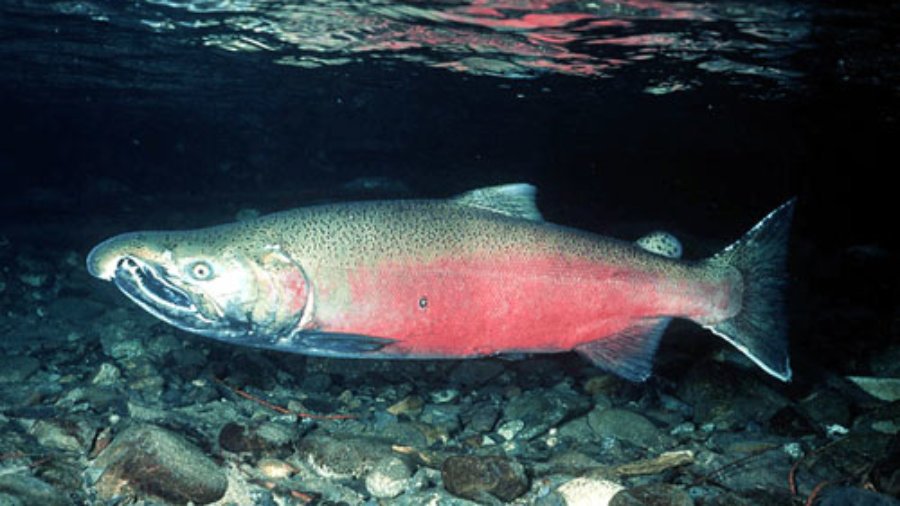
The Smith River is home to several robust populations of fish, including chinook and coho salmon, steelhead trout, cutthroat trout, green sturgeon, and the endangered tidewater goby. Following is a partial list of reports available about these species. Anadromous fish Coho salmon Tidewater goby Green sturgeon
Read more
Since 2011 the California Department of Fish and Wildlife has been surveying the Smith River watershed the determine the extent of coho salmon populations and their habitat. This work is unprecedented and has demonstrated the importance of the Smith River estuary in maintaining coho populations not only in the Smith River, but throughout California and
Read more
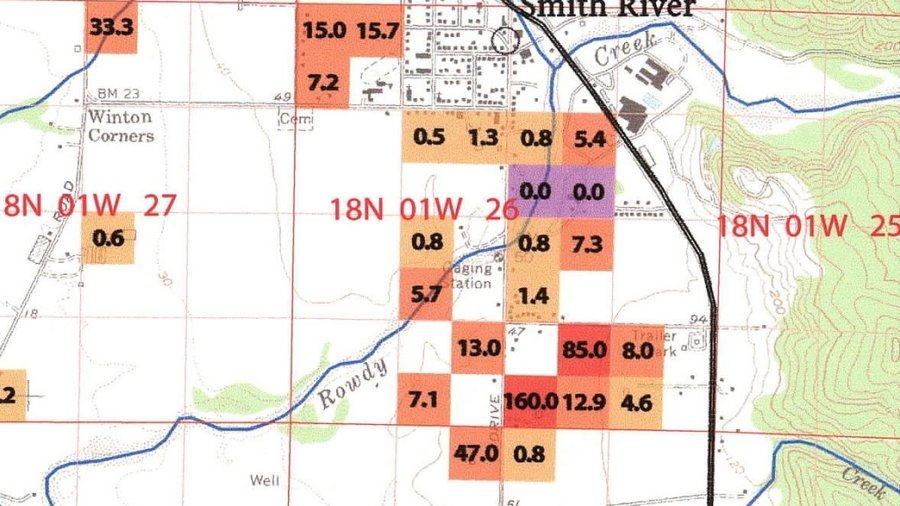
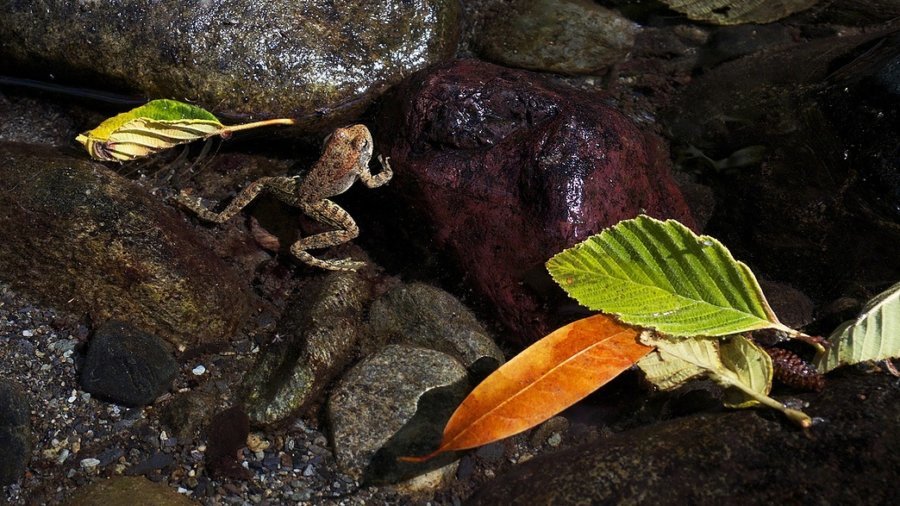
Easter lily farmers in Smith River use an enormous amount of “bad actor” pesticides to grow their crops. These are chemicals that have demonstrated significant adverse impacts to the environment, and to human populations. The first document below is a list of pesticides used in Smith River and their impacts to humans and the environment
Read more
In 2002 the Smith River Project, predecessor of Siskiyou Land Conservancy, commissioned the Center for Ethics and Toxics to conduct an evaluation of the extent of pesticide use by Easter lily farmers on bottom lands surrounding the Smith River estuary. CETOS also set out to analyze the potential impacts of these pesticides on the biological
Read more
The written information about the Smith River watershed is as important as it is exhaustive. The following information has been generated by state, federal, private and non-profit organizations. Most of the following information focuses on the Smith River estuary. However some material — such as the state of California’s first-ever survey of the Smith River’s
Read more
The Sustainable Technology & Policy Program at UCLA recently released a report that shows a combination of three commonly used, carcinogenic fumigants — two of which, metam sodium and 1,3-dichloropropene, are used in high concentrations on the Smith River Plain — “can interact to synergistically (to) increase the toxicity to humans.” What that means is that the whole carcinogenicity is greater than the sum of the carcinogenic parts.Read More
Siskiyou Land Conservancy founded in 2004 to fill a niche not satisfied in Northwestern California. Our founding board wanted to create a land trust that would take title to, and hold conservation easements on, private properties not served by other land trusts — usually meaning small parcels that hold, and connect, important riparian and terrestrial habitats. In this work we have been successful. Siskiyou Land Conservancy also is the only organization dedicated to eliminating excessive pesticide use on bottomlands that surround the vital Smith River estuary, in Del Norte County. For more on the Smith River estuary click here.
Siskiyou Land Conservancy has completed one of our most exciting projects yet. In October 2016 we recorded a conservation easement to protect the natural values of a 183-acre parcel on the Mad River, above Maple Creek in Humboldt County.