In the face of the overall weakness of the state’s action, SLC Continues to advocate for a pesticide-free Smith River estuary
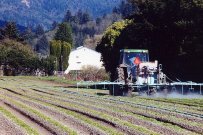
For the first time in history, Del Norte County Easter lily growers will be monitored and regulated by the state in response to the farmers’ ongoing pesticide contamination of the Smith River estuary. Yet the legal mechanism adopted by the state is unlikely to result in real protections for the estuary anytime soon.
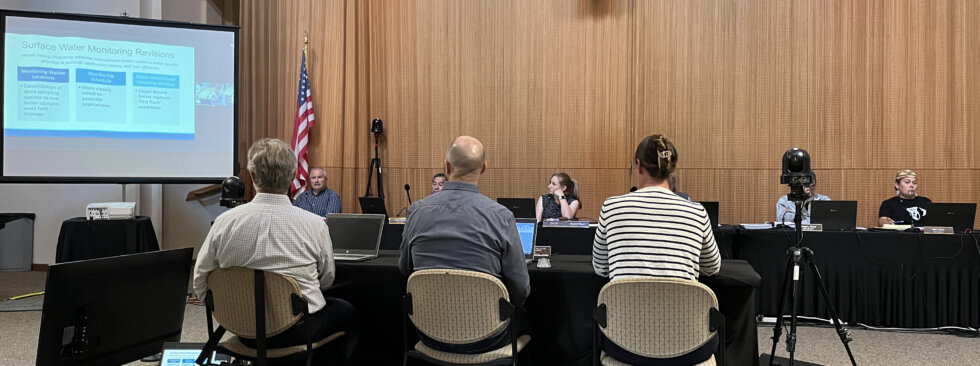
On August 6 , 2026, the California North Coast Regional Water Quality Control Board voted 5-1 to adopt an Easter lily Agricultural Order that sets “thresholds” of allowable pesticide contamination in the Smith River estuary. Pesticide detections above the thresholds will trigger action to by the state to require lily growers to reduce contamination levels. The Order also lists “Best Management Practices” that lily growers may adopt in order to keep pesticides from fouling protected waters—contamination that has been occurring for nearly eighty years.
During the final meeting for the order, Siskiyou Land Conservancy argued against adopting any Order that sets thresholds for contaminating the estuary above zero. (To read comments to the Water Board made by Siskiyou Land Conservancy Executive Director Greg King, go here.) Even tiny levels of pesticide contamination have been shown to destroy the aquatic food chain for protected species such as coho salmon and tidewater goby, both of which are imperiled in the Smith River. The growers’ excessive copper fungicide applications pose both an immediate and a legacy threat, as the copper accumulates and runs through the aquatic system largely unabated. Copper is deadly to aquatic species
Siskiyou Land Conservancy also asked the Board to recreate the order in a way that would result in the elimination of harmful synthetic pesticides use altogether on wetlands that surround the Smith River estuary—the only way to stop poisoning an ecosystem is to stop using the poisons. Siskiyou Land Conservancy also objected that the Order is written in such a way that it may take twenty years for the state to act at all to remedy ongoing pesticide contamination of the estuary.
Water Board staff did a commendable job in at least creating a workable lily Order. The ability of the agricultural industry to pollute California ecosystems is highly protected by the state’s most powerful officials, including the governor’s office (the governor appoints Water Board members), even if the resulting habitat degradation violates state and federal laws. Siskiyou Land Conservancy remains committed to ridding the lower Smith River of all synthetic pesticide use, a goal that is closer today than it ever has been. We will continue to work with our conservation partners, and with the Water Board, to achieve this end.