We’re fixing roads, reintroducing beavers, and restoring forest habitat on Humboldt County’s newest riverfront wildland
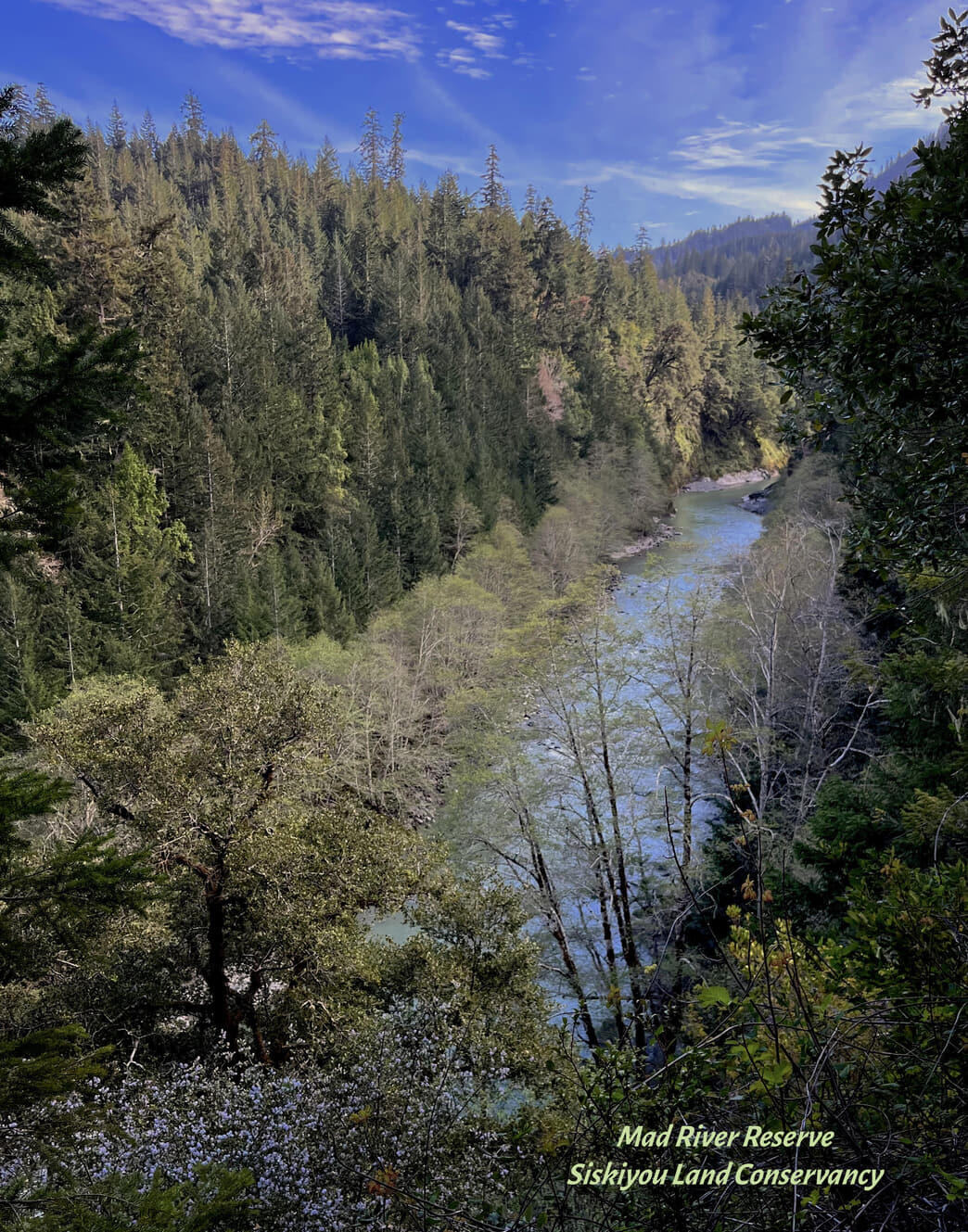
In the summer of 2025, after Siskiyou Land Conservancy secured ownership of two adjacent riverfront properties along Baduwa’t (the Mad River), we knew we had our work cut out for us. The Mad River Reserve spans 353 acres and includes 1.5 miles of continuous river frontage on Baduwa’t, which now constitutes the single longest fully protected reach of the entire Mad River. The first property, called Asylum, is 183 acres and was a gift to Siskiyou Land Conservancy from our Board Director Ken Miller. Over the years Ken has conducted extensive forest restoration on this land and it comes to SLC in excellent health. It is at Asylum that beaver reintroduction, should it occur, would be most viable.
Siskiyou Land Conservancy purchased the second property, which we’re calling Switchback Mountain, with a $275,000 grant from the Vincent J. Coates Foundation. This 170-acre parcel got its name from roads that zigzag down slopes that seem impossibly steep. It’s a beautiful and bountiful wildland of Douglas fir, maples, tanoaks, and bay trees, and remnant stands of old-growth conifers. Nonetheless, the logging of six decades ago left the land in need of forest restoration, and that work has already begun.
Here’s what we’re working on:
Road Maintenance
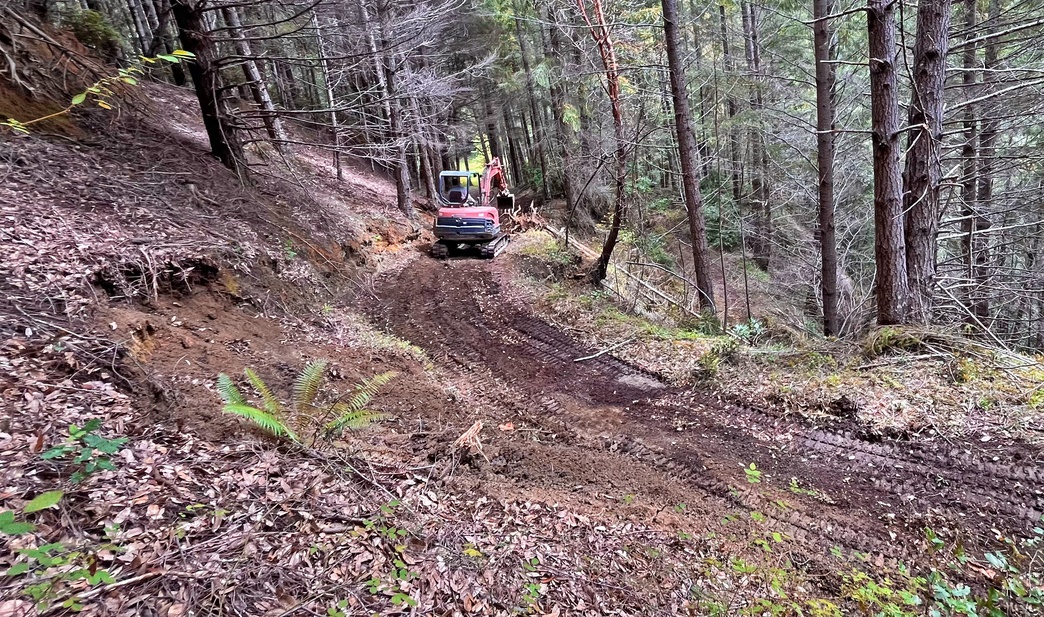

The most challenging element of our current work on the Mad River Reserve is to rehabilitate and maintain key roads that run through the property. The Switchback Mountain parcel is extremely steep in places, yet old logging roads that run through the land have seen no maintenance in decades. Roads that are allowed to fester and fail continuously contribute life-choking sediment to aquatic habitats. Over the coming years, Siskiyou Land Conservancy will put some roads to bed, while others will be maintained to prevent erosion while allowing access to restoration crews, scientists, students, and the public. This work began in April and May of 2026, when Eureka contractor Keith Emerson delicately secured a key access road into the property. Using a mini-excavator, Emerson culverted a spring that had been allowed to run into the road and create a gully, and he secured a small slide and buttressed the road with woody material to keep it from failing.
Beaver Reintroduction
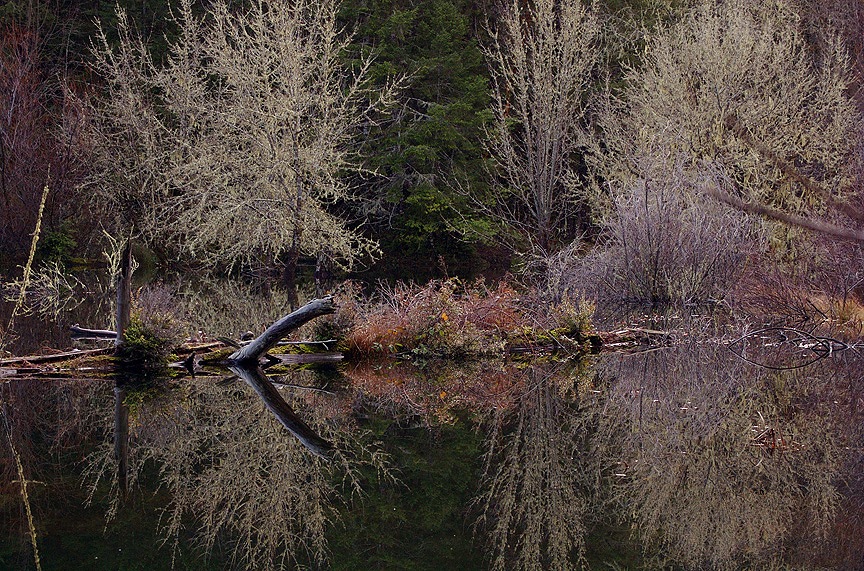

Kyle Pagel, a senior environmental scientist with the CDFW Beaver Restoration Program, examines Coyote Creek, at Asylum, for potential beaver reintroduction habitat.
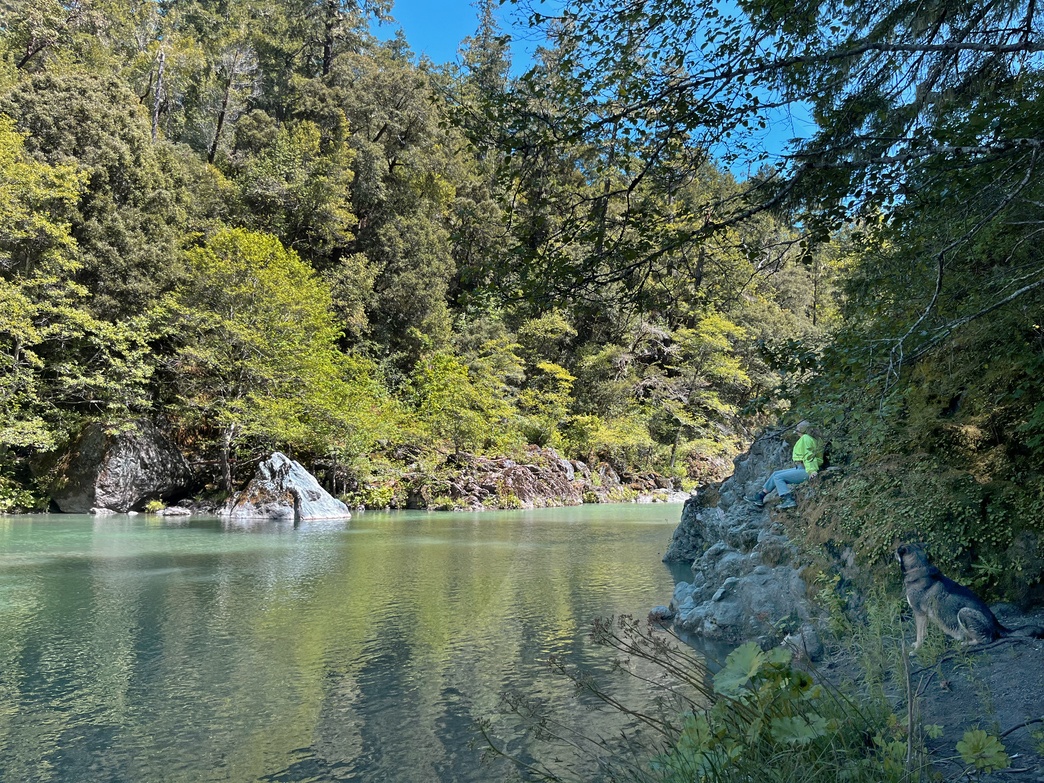
One of the most exciting potential developments on the Mad River Reserve is reintroduction of beavers to the landscape. The large natural pond at Asylum, the creeks and wetlands, and the immense length of river protected by the Reserve make this landscape an excellent candidate for beaver reintroduction. Siskiyou Land Conservancy is collaborating with the California Department of Fish and Wildlife Beaver Restoration Program to examine the feasibility of beaver reintroduction at the Mad River Reserve. Beavers are a keystone species whose lodges and ponds provide habitat for numerous animals and plants, including endangered salmonids and waterfowl. Beaver dams can impede damaging stream flows exacerbated by previous human uses of the land and thereby protect stream channels. Wetlands created by beavers enhance species diversity and reduce the risk of catastrophic wildfire.
Biologists at CDFW’s Beaver Program note, “The North American Beaver (Castor canadensis) is both an ecosystem engineer, helping to create and maintain diverse habitat throughout the State, and a keystone species, filling a critically important role in maintaining the ecosystem for the other species that depend on it.”
To learn more about CDFW’s Beaver Restoration Program go here.
Forest Restoration
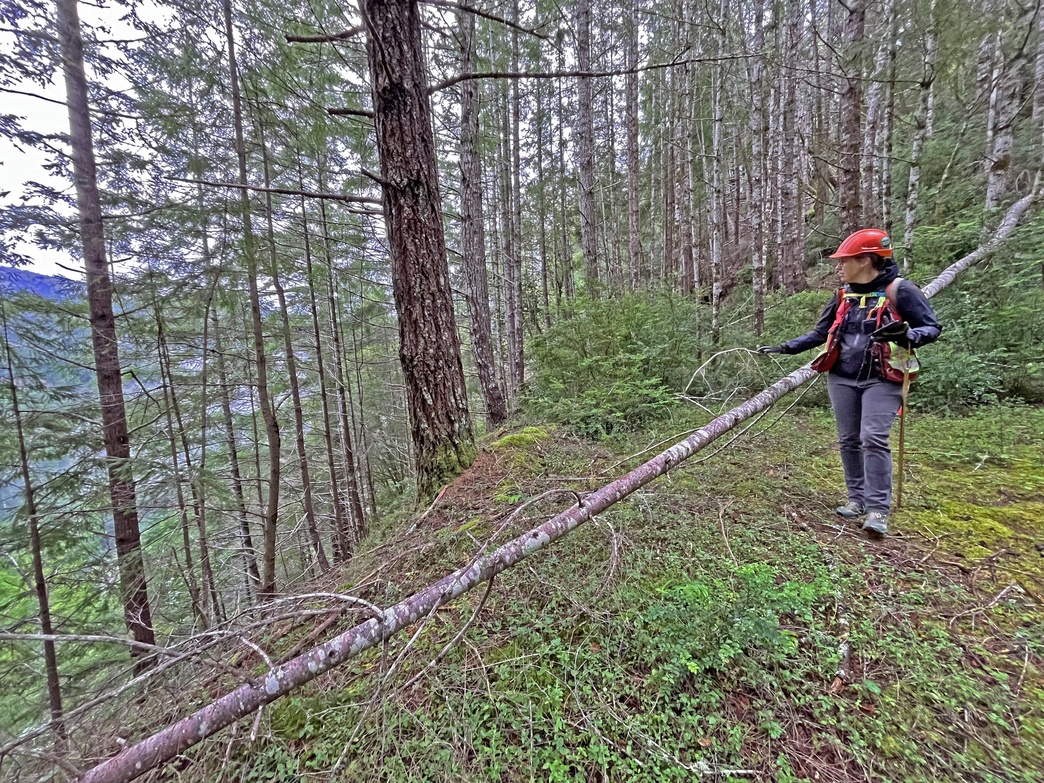
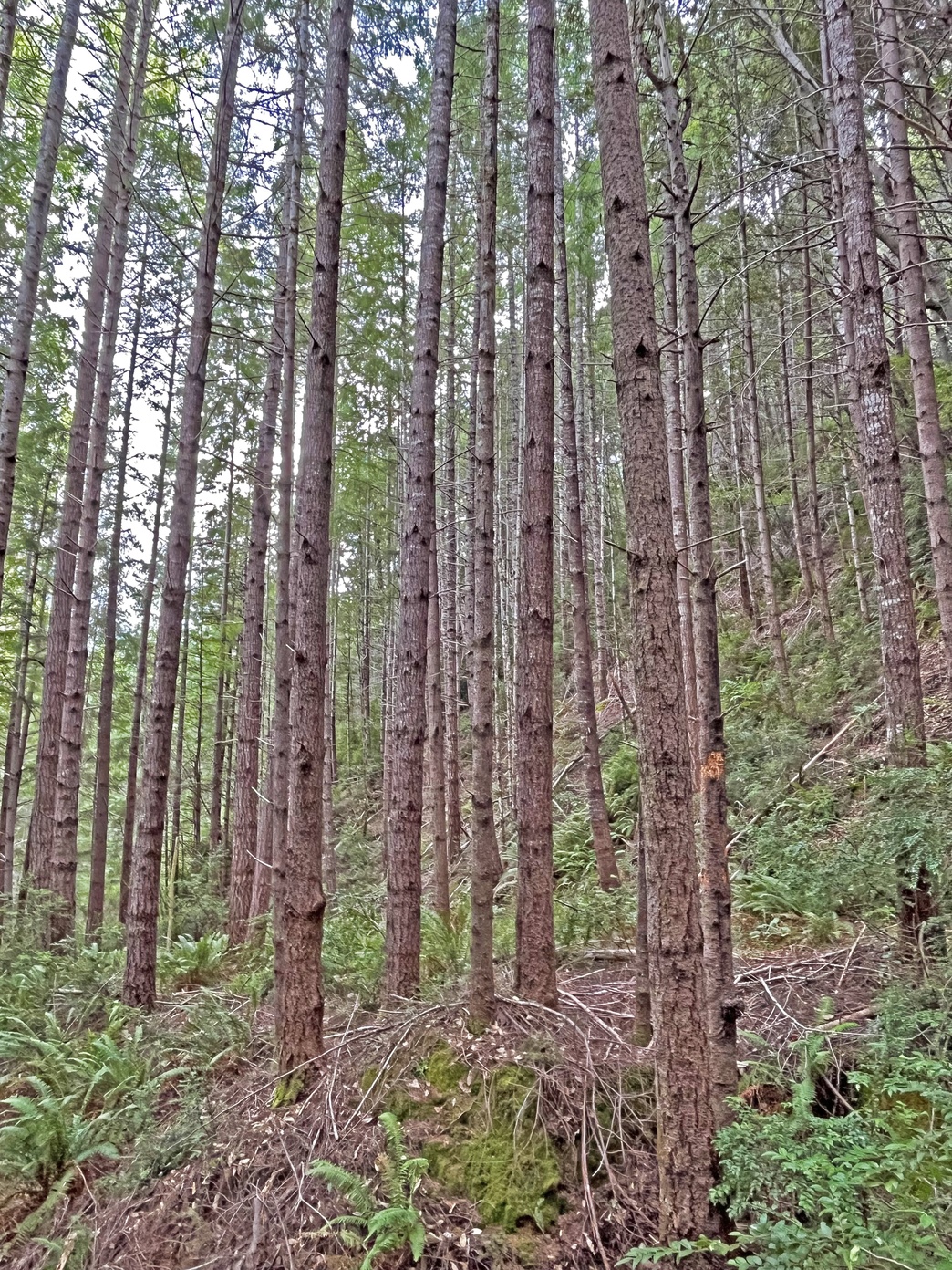
Siskiyou Land Conservancy is partnering with the Eureka office of the U.S. Natural Resource Conservation Service and local restoration outfits to reduce the density of conifer and hardwood regeneration that grew up after the property was first logged sixty years ago. Much of the landscape is choked with small, tall Douglas fir poles—forest density that can preclude the land from recovering into a diverse stand of mixed species and varied ages, prevent expansion of a complex understory, and allow sensitive species to return to the landscape and thrive. Expertise in this holistic work is provided by the Arcata firm Baldwin, Blomstrom, Wilkinson and Associates, which specializes in regenerative forestry and environmental analysis.
All of these projects are ongoing.